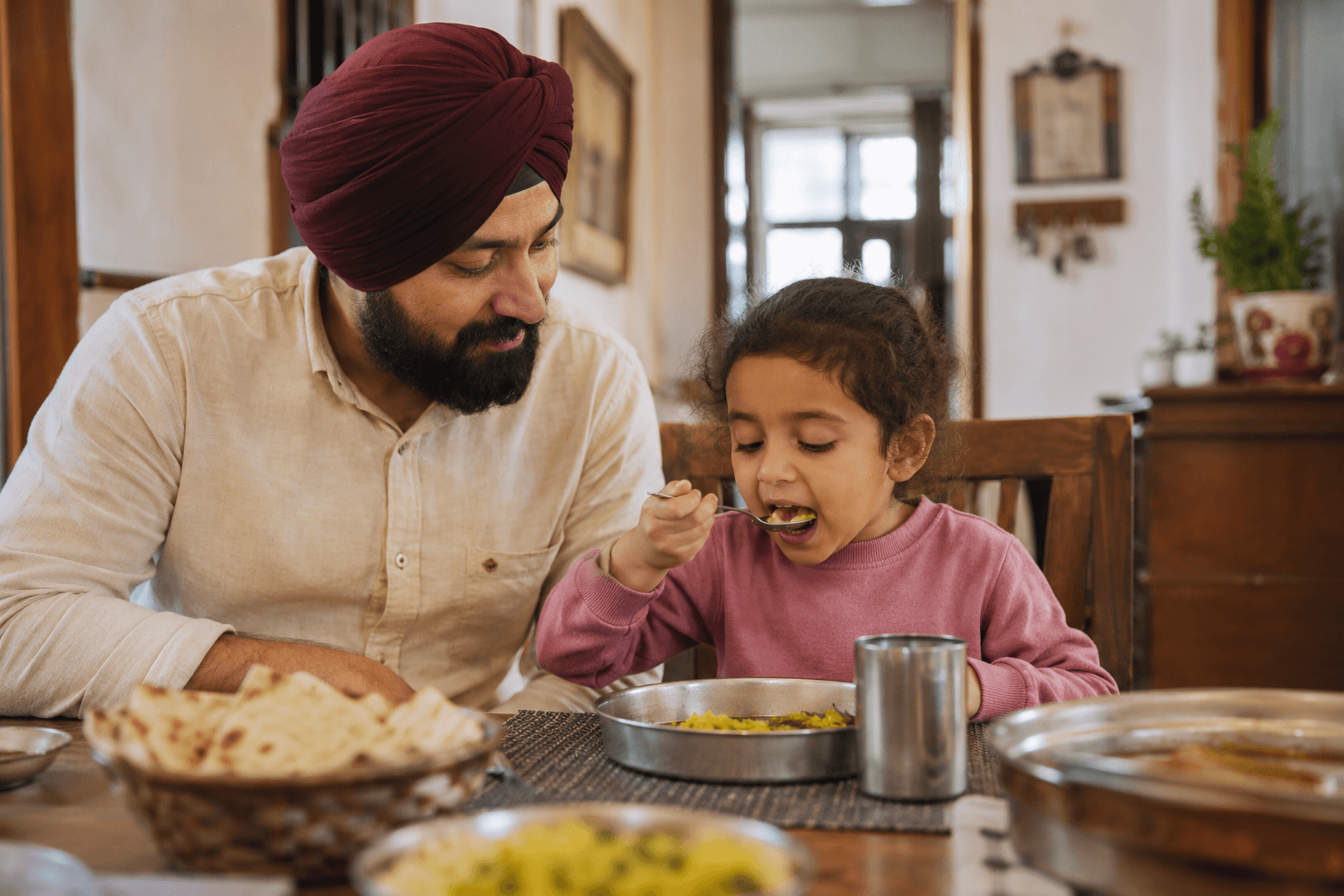
At Dr Nanda's Dental Clinic in Mohali, a child's dental visit is not treated like a smaller version of an adult appointment. Children need more patience, simpler language, and sometimes a more familiar way to explain what they feel.
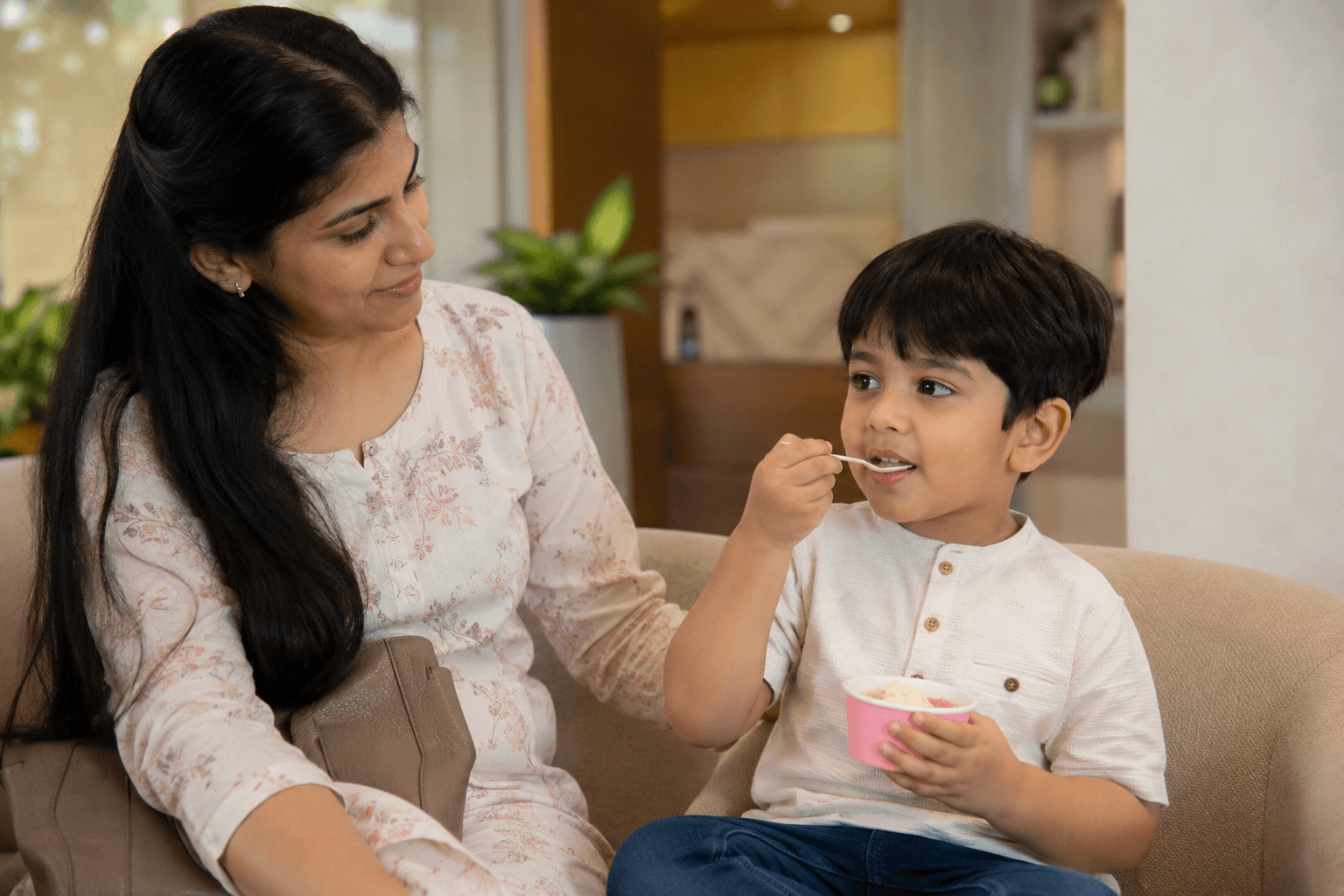
One long-held practice at the clinic is to use ice cream, when appropriate, as a gentle way to observe a child's cold sensitivity. It is not a trick. It is not a complete diagnosis by itself. It is a small, familiar moment that can help a child relax and show how a tooth responds to cold.
For a child, ice cream feels less like a test and more like something they understand. That matters. In children's dentistry, trust is often the first treatment.
Why children need a different dental conversation
Adults can usually explain pain with some detail. Children often cannot.
A child may point to the wrong side, say yes to every question, deny pain because they are afraid, or become quiet the moment they enter the clinic. The dentist has to listen differently.
A good children's dental visit combines the parent's history, the child's words, the examination, and observation. How a child eats, avoids chewing, reacts to cold, or pulls away can all be useful information.
What the ice cream moment can show
Cold sensitivity can help a dentist understand how a tooth is behaving. A child who reacts sharply to cold on one side may have sensitivity, decay, a deep cavity, an exposed area, or irritation that needs examination.
Ice cream can be useful because it is familiar. Many children who become tense with dental instruments are more natural with food.
The dentist may observe:
- Which side the child uses to eat
- Whether the child avoids a particular tooth
- Whether cold causes a quick reaction
- Whether the child points to one area
- Whether discomfort settles quickly or continues
- Whether the parent has noticed the same pattern at home
This does not replace a dental examination. It supports it.
When ice cream is appropriate, and when it is not
The ice cream approach is used only when it makes sense.
It may not be suitable if the child is too young, has dietary restrictions, has allergies, is medically advised to avoid such foods, or is too distressed for the moment to be helpful. The parent's permission and the child's comfort matter.
A dentist can test sensitivity in other ways too. Ice cream is not the only method. It is one gentle method that reflects the clinic's way of working with children.
The point is not the ice cream. The point is the child.
Why this builds trust
A child's first impression of dentistry can stay for years.
If every dental visit feels like pressure, scolding, or fear, the child learns to resist care. If the visit feels safe, calm, and understandable, the child is more likely to cooperate and return without panic.
A familiar object, a parent nearby, a gentle pace, and simple language can change the whole appointment.
The child learns that the dentist is not only looking for something to do. The dentist is trying to understand.
What parents usually notice at home
Parents may notice signs before the child explains them.
- Avoiding cold water or ice cream
- Chewing only from one side
- Taking longer to eat
- Refusing harder foods
- Crying during brushing
- Food getting stuck in one area
- Bad breath despite brushing
- Waking at night with pain
- Swelling near a tooth or gum
These details are worth mentioning during the visit. A parent sees the child in ordinary life, which the dentist cannot fully observe in the chair.
When it can wait
Some mild sensitivity may be watched briefly if the child is otherwise comfortable, eating normally, sleeping well, and the discomfort is brief and not worsening.
For example, a child may react to very cold food because of a small sensitive area or erupting teeth. But if the pattern repeats, it should be checked.
In children, it is better not to wait too long. Decay in milk teeth can progress faster than parents expect, and children may not complain until the problem is advanced.
When to call a children's dentist in Mohali
Call a dentist if your child:
- Avoids cold foods repeatedly
- Chews only from one side
- Complains of tooth pain
- Wakes at night with dental pain
- Has swelling in the gum or face
- Has a visible cavity or broken tooth
- Cries during brushing in the same area
- Has bad breath with food trapping
- Has pain after a fall or injury
If there is swelling, fever, trauma, or severe pain, do not wait for a routine appointment.
What the dentist may check
During the appointment, the dentist may check which tooth is sensitive, whether decay is present, whether food is getting trapped, whether a tooth is cracked or broken, whether there is gum swelling, and how the child bites and chews.
The dentist may also discuss brushing habits, diet, bedtime milk, sweets, and X-rays if needed and appropriate.
In children's dentistry, behaviour is part of the clinical picture.
Treatment options
Treatment depends on the cause.
Some children may only need cleaning advice, fluoride guidance, or monitoring. A small cavity may need a filling. A deeper cavity may need more involved treatment. A broken tooth or infected tooth needs separate assessment. If a child is anxious, the first visit may focus on trust and examination before any treatment is planned.
The aim is not to rush the child. The aim is to treat the problem before fear becomes part of the problem.
What not to do
Do not force a child to prove pain at home by giving repeated cold foods.
Do not scold the child for being afraid. Fear is not misbehaviour.
Do not promise that nothing will happen if the dentist may need to examine or treat the tooth.
Do not use dental visits as a threat.
Do not keep giving pain relief without finding the cause of repeated tooth pain.
FAQs
Is ice cream a real dental test?
It is not a complete diagnostic test by itself. It is a child-friendly way to observe cold sensitivity when appropriate. The dentist still examines the teeth and gums properly.
Will every child be tested with ice cream?
No. It depends on the child's age, comfort, symptoms, diet, allergies, and the dentist's judgment. Other sensitivity checks may be used instead.
Why not just ask the child where it hurts?
The dentist does ask. But children may not describe pain accurately. Observation often helps confirm what the child and parent are saying.
Is cold sensitivity in children serious?
Not always. But repeated cold sensitivity, one-sided chewing, pain at night, swelling, or visible decay should be checked.
What should I tell my child before the visit?
Keep it simple. Say the dentist will count the teeth and help understand why something is hurting. Avoid frightening words and false promises.
Can milk teeth have serious cavities?
Yes. Milk teeth can decay, hurt, and become infected. They should not be ignored because they will fall out later.
What if my child refuses to sit in the chair?
That can happen. A gentle first visit may focus on trust, conversation, and a small examination. For anxious children, progress is still progress.
The ice cream test is really a statement about the clinic's way of seeing children.
A child is not a smaller adult. A child's fear, language, trust, and habits all matter. Sometimes a simple, familiar thing helps the dentist understand more than a direct question would.
At Dr Nanda's Dental Clinic in Mohali, children's dentistry is approached quietly and patiently. If your child avoids cold foods, chews from one side, or seems afraid of dental visits, call or WhatsApp the clinic. The first job is to make the child feel safe enough to be understood.