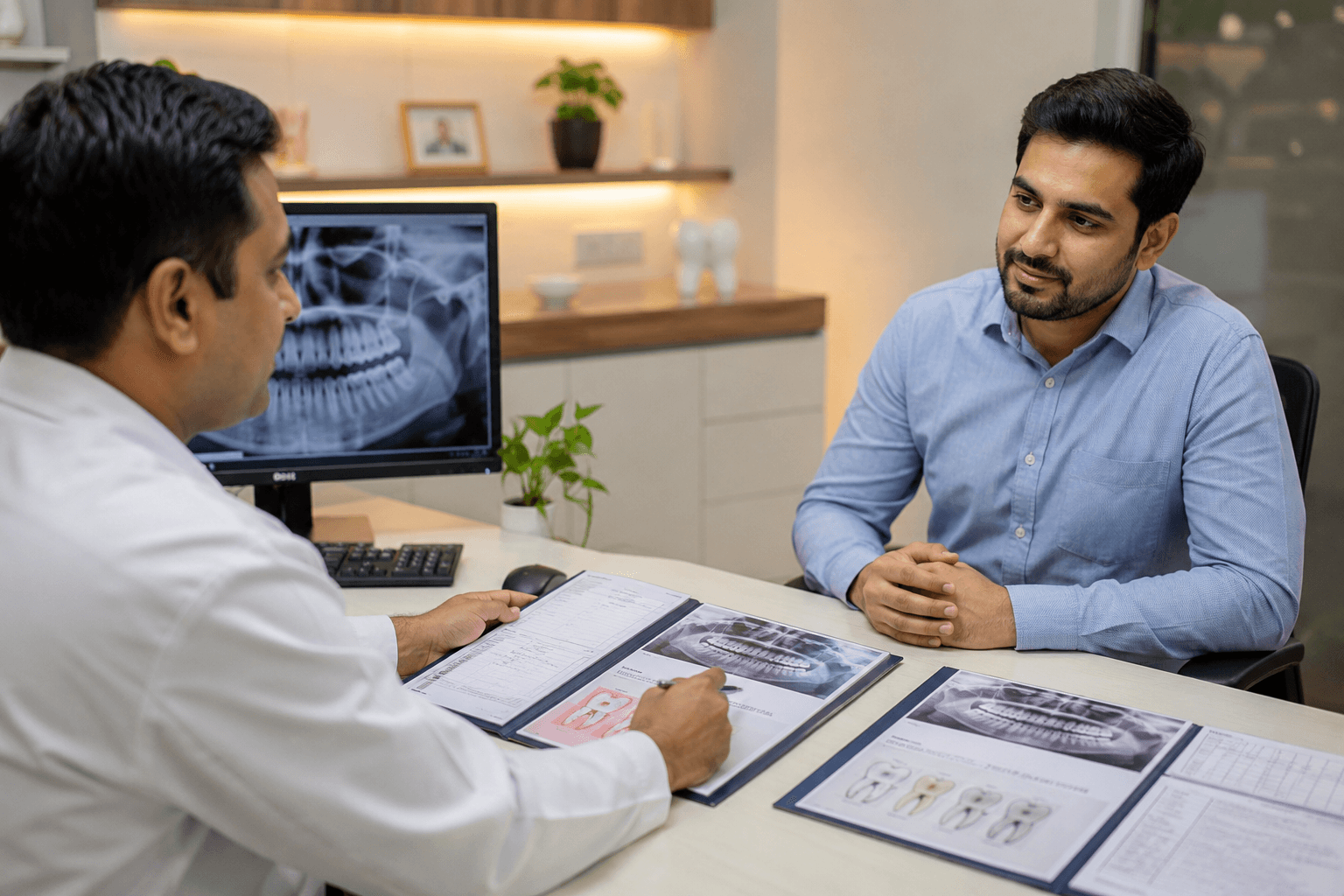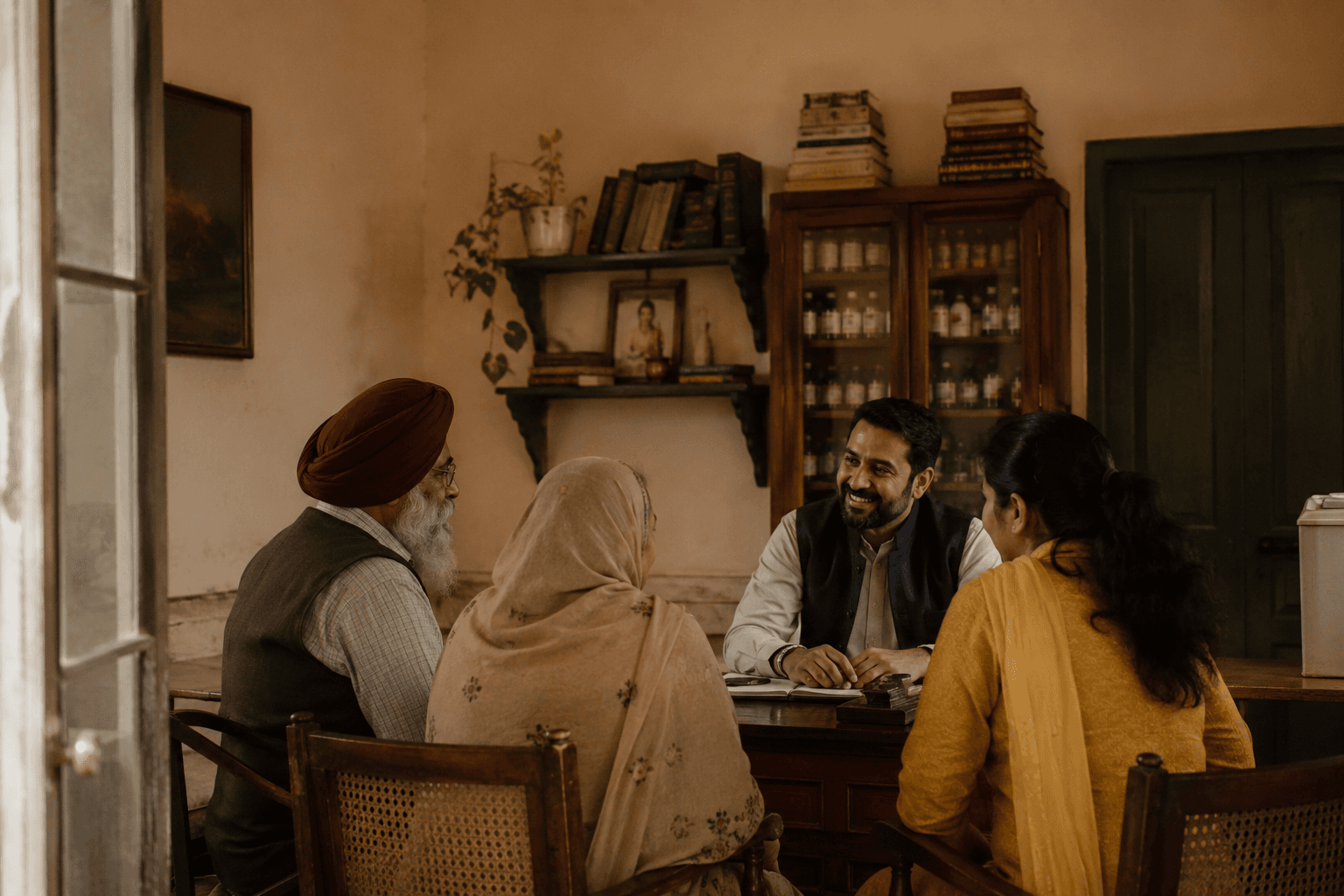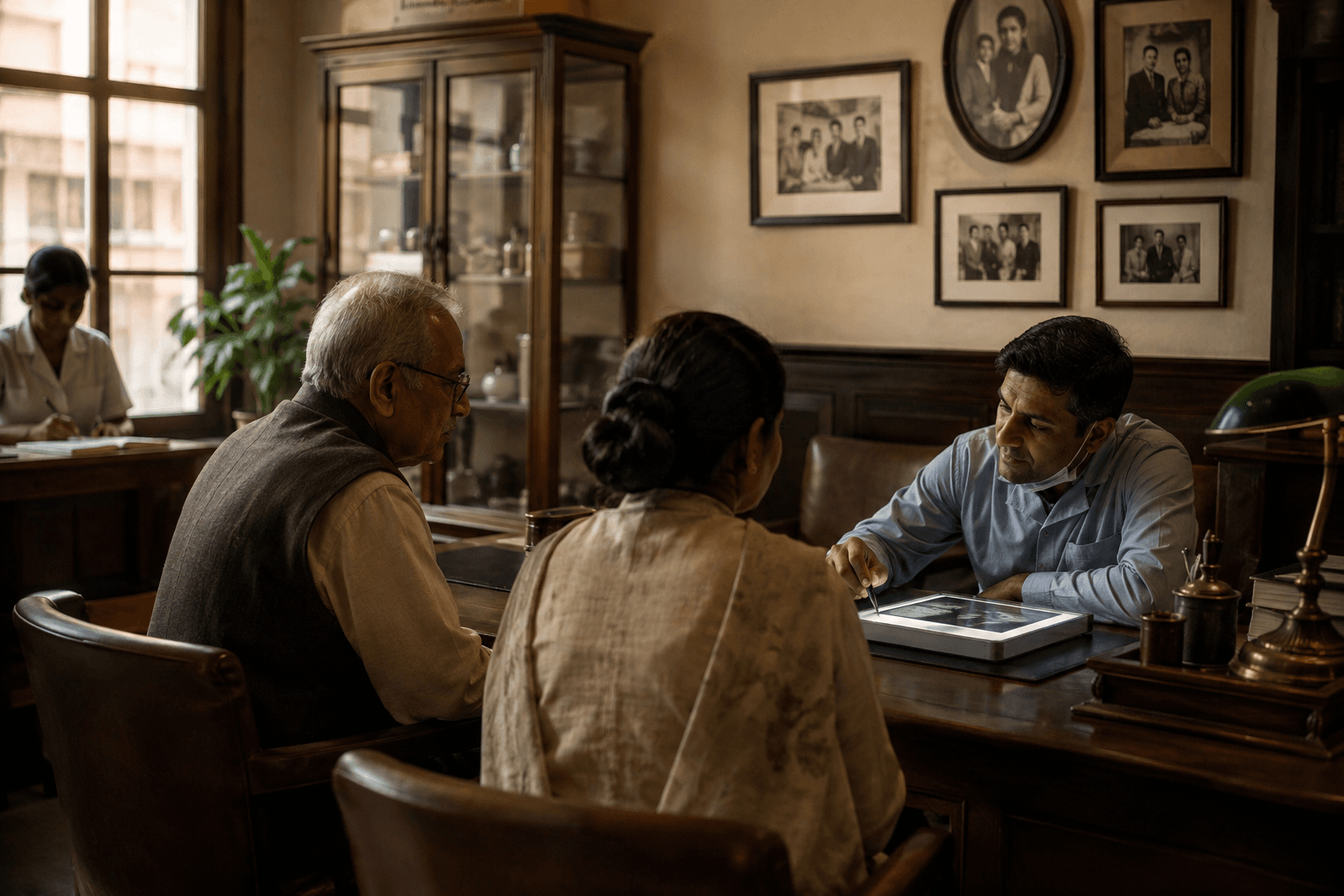
A dental clinic that has worked in one community for nearly thirty years begins to learn things that do not appear in textbooks.
It learns how patients delay pain because a family function is coming up. It learns how elderly parents depend on children to explain treatment. It learns how fear often sounds like hesitation. It learns how much trust is carried by a referral from one patient to another.
Since 1997, Dr Nanda's Dental Clinic has seen Mohali change, families grow, children become parents, and patients return from abroad with the same questions they once asked from nearby sectors.
Thirty years of patients teaches a clinic that dentistry is never only about teeth.
Patients remember how they were spoken to
A patient may forget the exact name of a filling material or the shade of a crown. They usually remember whether they felt rushed, dismissed, frightened, or respected.
This is one of the clearest lessons of long practice.
Explanation matters. Tone matters. The pause before treatment matters. The patient who is anxious does not need to be told that nothing is wrong with being afraid. They need to be treated in a way that proves it.
Good dentistry begins before the instrument is picked up.
Families carry dental decisions together
In this region, dental care is often a family decision.
A daughter brings her father for dentures. A son sends X-rays from Canada for his mother's implant opinion. A husband and wife compare notes after one has had treatment. A patient who was treated years ago sends a neighbour, a cousin, or a colleague.
This is not a small detail. It shapes the way a clinic must communicate.
The patient must understand the treatment. The family may also need to understand it. But the patient's comfort and consent remain central.
Small problems become large when they are delayed
Another lesson is simple: most dental problems do not become easier because they are ignored.
A bleeding gum becomes gum disease. A small cavity becomes deep decay. A cracked tooth breaks further. A loose denture creates sores. A missing tooth changes the bite. A dry mouth creates new decay.
Patients often delay because they are busy, afraid, travelling, or hoping the problem will settle.
Sometimes it does settle for a while. But quiet is not always healing.
Restraint is as important as treatment
Long practice also teaches restraint.
Not every mark needs drilling. Not every cosmetic concern needs veneers. Not every old filling needs replacement. Not every tooth should be extracted quickly. Not every treatment must be completed just because it can be started.
The decision to wait, monitor, or choose a smaller treatment can be as clinical as the decision to act.
But restraint is not neglect. It must come after examination, explanation, and follow-up.
Trust is built by consistency, not claims
A clinic can say many things about itself. Patients believe what they experience.
They believe whether appointments feel calm. They believe whether the explanation was clear. They believe whether the dentist remembered their history. They believe whether the treatment was advised with care rather than pressure.
In a word-of-mouth practice, trust moves slowly from one person to another.
That kind of trust cannot be advertised into existence. It has to be earned repeatedly.
Children teach patience
Children teach a clinic to slow down.
A frightened child does not become brave because adults are in a hurry. A child who has never seen a dentist may need conversation before examination. A child who cannot describe pain may show it through chewing, avoiding cold foods, or becoming quiet.
The lesson from children is useful for adults too: people cooperate better when they feel safe.
Older patients teach dignity
Older patients often arrive with more than one dental problem.
They may have medicines, dry mouth, dentures, old crowns, gum disease, diabetes, difficulty chewing, or a fear of becoming dependent. Their dental care affects food, speech, social comfort, and confidence.
An older patient should not be treated as if comfort is a small thing.
Sometimes the most valuable treatment is not dramatic. It is making eating easier, stopping a sore spot, adjusting a denture, removing infection, or explaining a plan slowly enough for the family to follow.
NRI patients teach planning
NRI patients bring another lesson: time must be respected, but biology must not be rushed.
A patient may have two weeks in India. A wedding may be fixed. A visa window may be short. Flights may already be booked. But healing, infection control, implant integration, and lab accuracy have their own pace.
The honest plan is the one that fits both the patient's travel and the mouth's needs.
Sometimes one visit is enough. Sometimes it is not.
What has not changed
Materials have improved. Imaging has improved. Implant planning has improved. Cosmetic expectations have changed. Patients now send photographs and X-rays on WhatsApp before they arrive.
But the central work has not changed as much as people think.
A patient still wants to know: What is wrong? How serious is it? What are my options? Will you be careful? Can I trust you?
Those questions are the same in 2026 as they were in 1997.
What not to lose
A clinic can grow busier and still lose something essential.
It can lose the habit of listening. It can lose the courage to say that a treatment should wait. It can lose the time needed to explain. It can start speaking in packages instead of diagnoses.
The lesson of thirty years is to protect the parts that made patients return in the first place.
Continuity is not old-fashioned. In healthcare, it is often the thing patients are searching for.
FAQs
What makes long-standing dental care different?
Long-standing care gives the dentist context. Past treatment, habits, family history, anxiety, and previous dental work all help guide better decisions.
Why do patients return to the same dental clinic for years?
Usually because they feel known, respected, and clearly guided. Trust grows when patients see consistency over time.
Is modern dentistry only about technology?
No. Technology helps, but diagnosis, judgment, explanation, and patient trust remain central.
Why is restraint important in dentistry?
Dental treatment can permanently change teeth. Restraint helps preserve natural tooth structure and avoid unnecessary intervention.
Why do families matter in dental care?
Families often help patients decide, travel, understand treatment, and maintain care. This is especially true for children, older patients, and NRI patients.
What has the clinic learned from NRI patients?
NRI patients need honest planning around time, travel, healing, and aftercare. A short visit should be used carefully, not filled with unrealistic promises.
Thirty years of patients has taught the clinic to value steadiness.
Patients do not only come for procedures. They come with fear, time pressure, family opinions, old experiences, and hope that the person in front of them will be careful.
At Dr Nanda's Dental Clinic in Mohali, the work continues in that spirit: explain plainly, treat carefully, preserve what can be preserved, and remember that behind every tooth is a person who has trusted you with it.