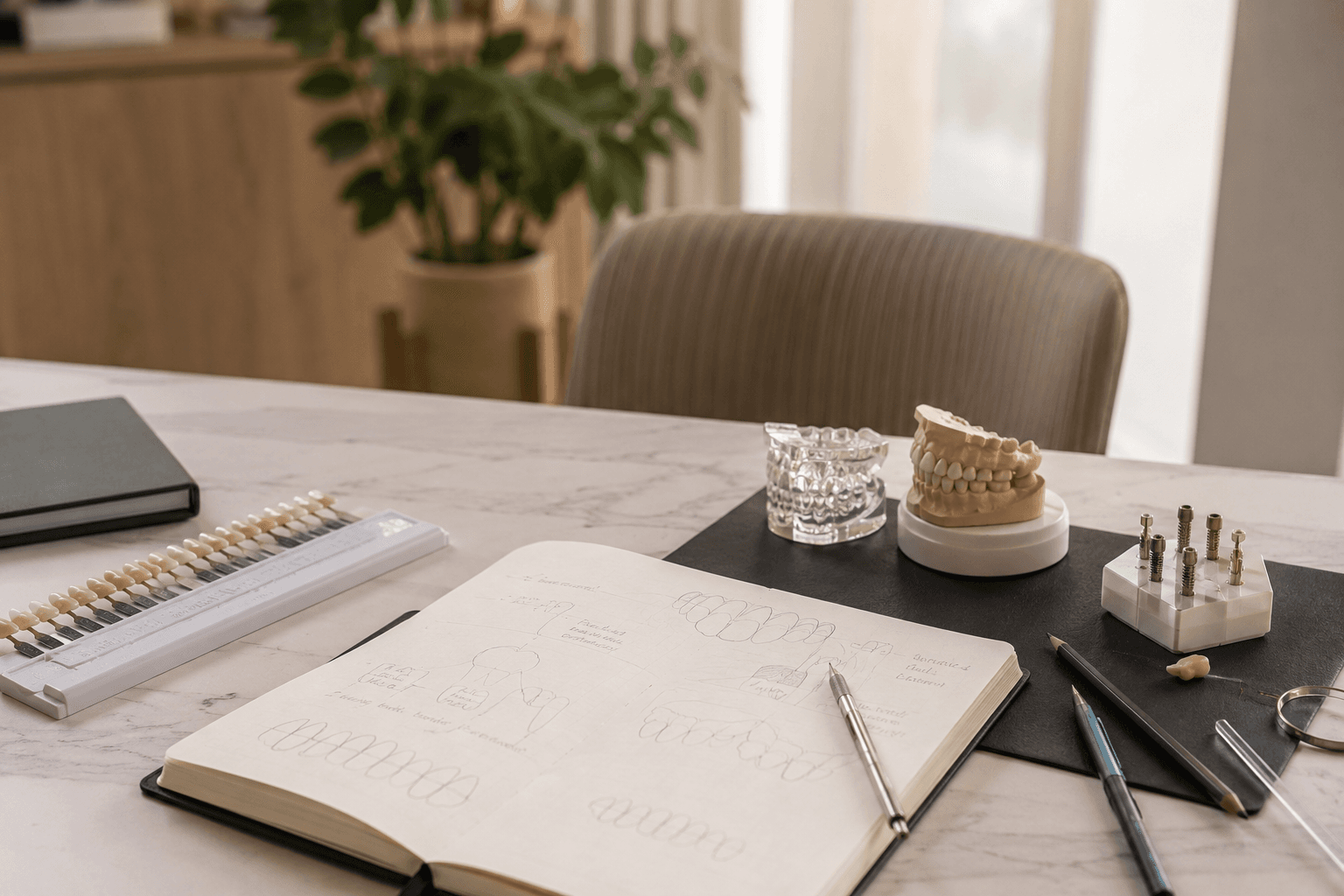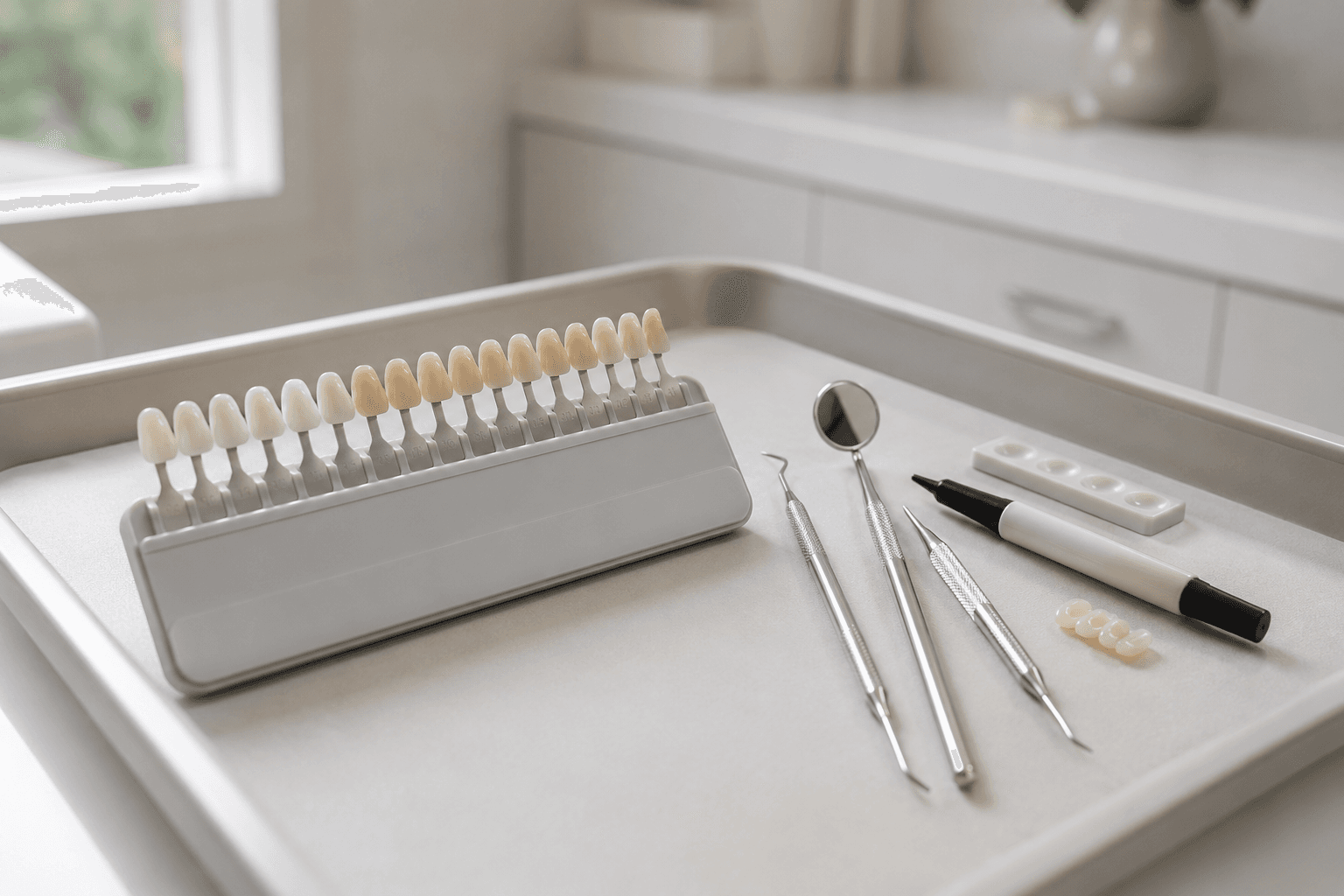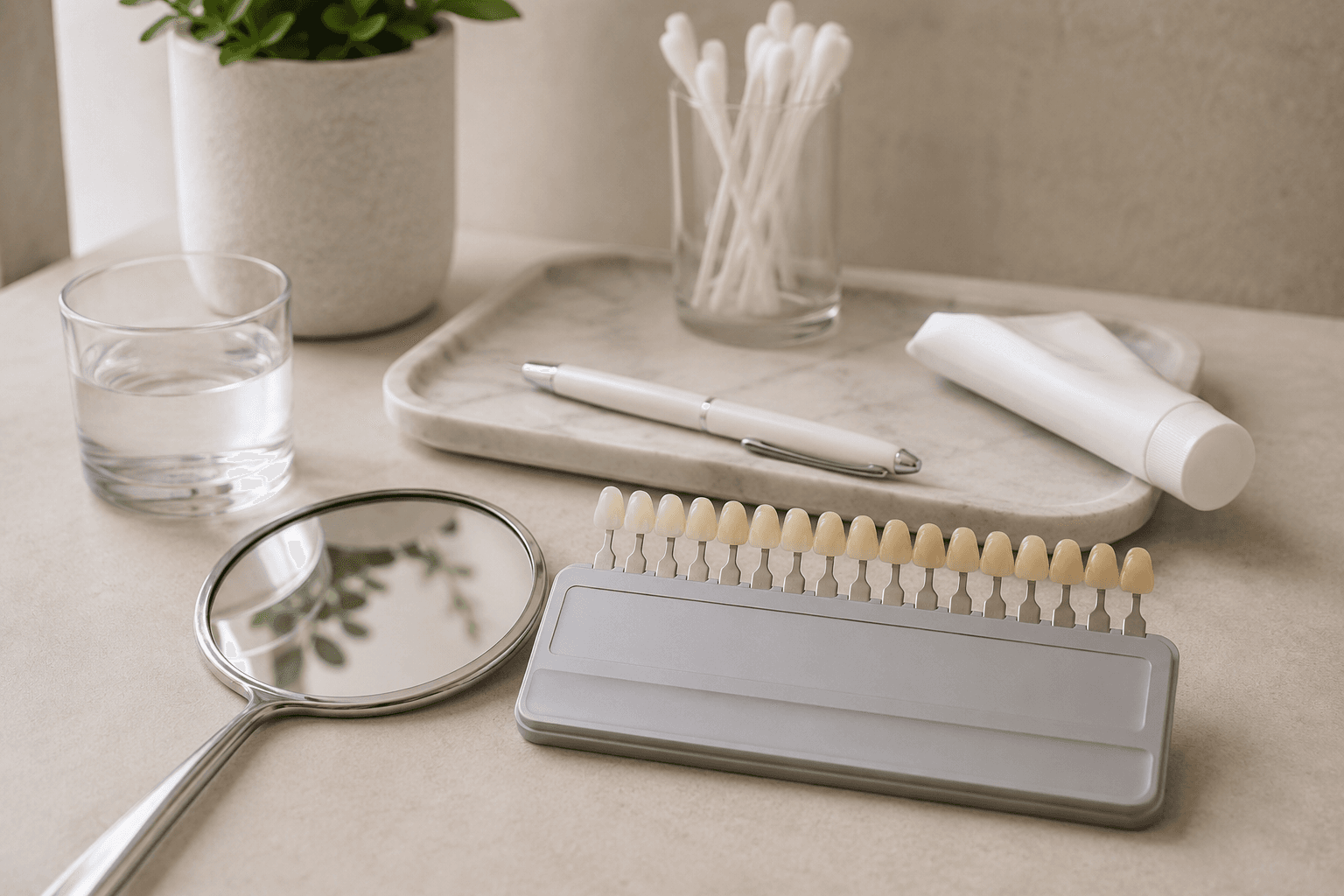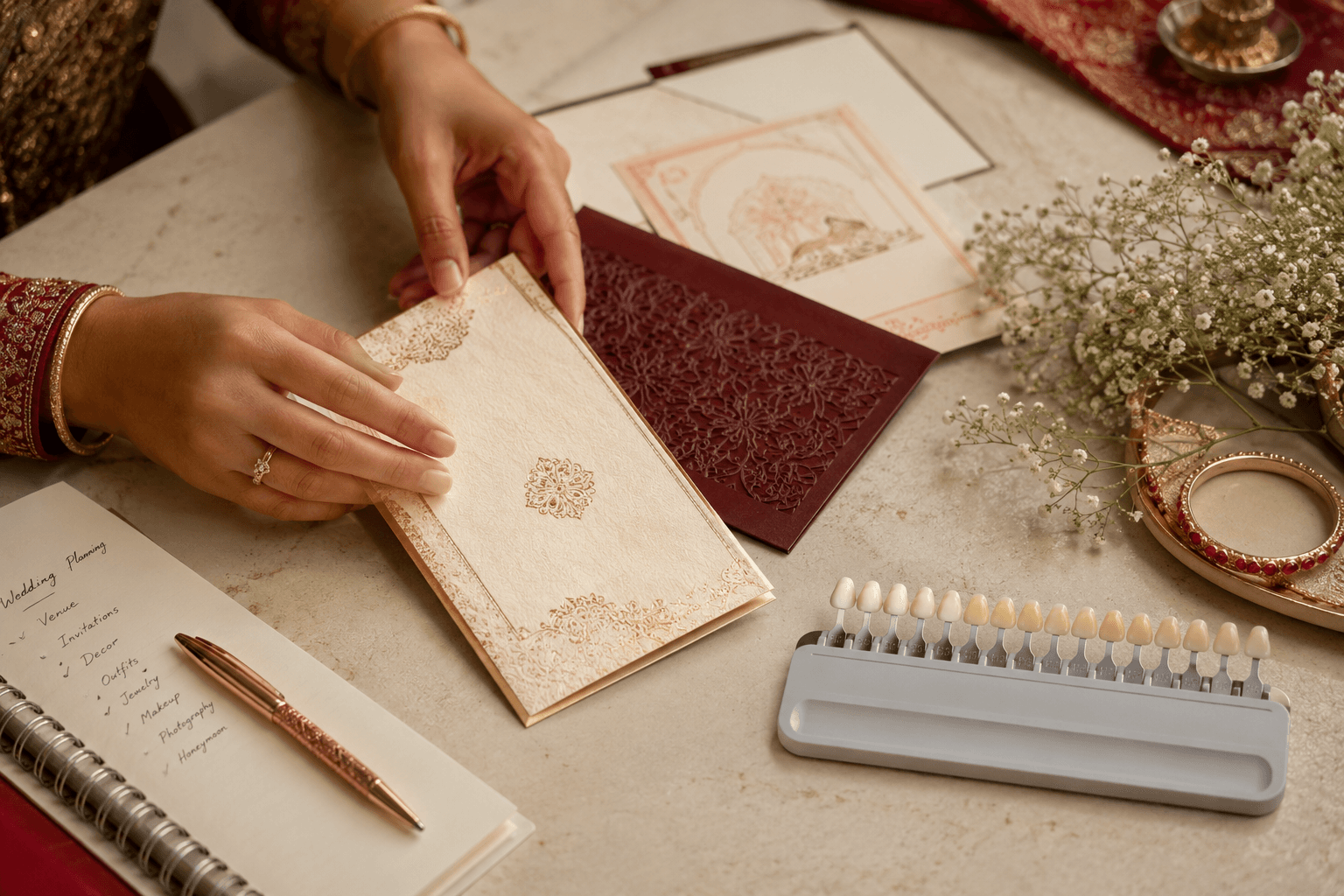
Weddings, engagements, milestone birthdays, family photographs, and travel dates make people notice their smile more closely.
That is natural. But cosmetic dental work becomes riskier when it is rushed.
If you want your smile to look better for a date that matters, begin early. Cleaning, whitening, bonding, veneers, crowns, gum care, and bite adjustments all have different timelines. Some are simple. Some need healing, lab work, shade matching, or trial changes.
The best smile planning works backward from the event, with enough buffer for the mouth to settle and the patient to feel comfortable.
Start with a dental check, not a treatment choice
Many patients begin by asking for whitening, veneers, or bonding. The better first step is an examination.
A dentist needs to check:
- Gum health
- Cavities
- Existing fillings or crowns
- Tooth shade
- Tooth shape
- Bite and grinding
- Stains and tartar
- Sensitivity
- Smile line and lip movement
- How close the event is
Cosmetic treatment done over gum disease, decay, or unstable dental work is not good planning.
What can often be done quickly
Some improvements may fit into a shorter timeline if the mouth is healthy.
These may include:
- Scaling and polishing
- Small bonding repairs
- Smoothing a rough edge
- Replacing a small visible filling
- Advice for sensitivity
- Smile photography and planning
Even simple work should not be left until the final day. Teeth and gums need time to settle, and small adjustments may be needed.
What needs more time
Other treatments need more planning:
- Whitening, especially if sensitivity occurs
- Veneers
- Crowns
- Multiple bonding changes
- Gum treatment
- Aligners or tooth movement
- Implant restorations
- Full mouth rehabilitation
Lab-made work cannot be rushed safely just because a wedding card has gone out. Shade, fit, bite, gum response, and patient comfort all need time.
Whitening before an event
Whitening should be planned early, especially if front teeth have fillings, crowns, veneers, or bonding.
Whitening changes natural teeth but not artificial materials. If the natural teeth are whitened after bonding or crowns are placed, the colours may no longer match.
For many patients, cleaning comes first, whitening comes next, and bonding or shade-matched restorations come after the final shade settles.
Bonding before a wedding
Bonding can be useful for small chips, gaps, and uneven edges. It can often be more conservative than veneers.
But bonding still needs planning. The dentist must check the bite, match the shade, shape the material, polish it, and make sure the tooth looks natural when speaking and smiling.
A small chip can often be managed calmly. A full smile change with bonding needs more time.
Veneers before a wedding
Veneers can change shape, colour, and proportions more significantly. Because they usually involve tooth preparation and lab work, they should not be planned at the last minute.
Patients need time to discuss expectations, understand enamel changes, discuss shade, adjust temporaries if used, and check the final result.
A veneer decision should never be made in panic because photographs are approaching.
How early should you begin?
The earlier, the better.
For simple cleaning and small repairs, a few weeks may be enough. For whitening and bonding, more time is safer. For veneers, crowns, implants, gum treatment, or full smile planning, several months may be more appropriate.
If your date is fixed, tell the dentist honestly. A good dentist will tell you what is realistic and what should wait.
What not to do
Do not start aggressive cosmetic treatment days before a wedding.
Do not whiten without checking visible crowns, fillings, or bonding.
Do not ask for the whitest shade if it will not suit your face or photographs naturally.
Do not ignore sensitivity, gum bleeding, or cavities because the event is near.
Do not let pressure from photographs push you into irreversible treatment you do not understand.
FAQs
How soon before a wedding should I see a dentist?
As early as possible. Even if the treatment is simple, time allows proper planning, shade settling, sensitivity control, and small adjustments.
Can whitening be done one week before a wedding?
It may be too close for some patients, especially if sensitivity occurs or restorations need matching. Ask a dentist early.
Can bonding fix a small chip before an event?
Often, yes, if the tooth is healthy and the bite allows it. It should still be planned with enough time for finishing and polishing.
Should I get veneers before my wedding?
Only if there is enough time to plan them properly and you understand the tooth changes involved. Veneers should not be a rushed decision.
What is the safest quick improvement?
For many patients, cleaning, polishing, and small conservative repairs are safer quick improvements than major irreversible changes.
Can teeth whitening affect fillings?
Whitening does not change the colour of fillings, crowns, veneers, or bonding. Existing dental work may need replacement if colour mismatch becomes visible.
What if my wedding is very close?
Focus on safe, small improvements. A dentist can help decide what can be done now and what should wait until after the event.
A date that matters deserves planning, not panic.
The best wedding or event smile is not the most dramatic one. It is the one that looks healthy, natural, comfortable, and finished before the photographs begin.
At Dr Nanda's Dental Clinic in Mohali, smile planning is done with time, restraint, and honest timelines. If you are preparing for a wedding, engagement, or important family event, call or WhatsApp the clinic early so the plan can work with the date, not against it.